Live Clean - Conscious Living Recommendations

Live clean, live well. Researched like a thesis, written like a recommendation from a friend. This is for those who care about what goes on, in, and around them, and anyone just starting to.

Search:
Non-Toxic Kids Plates
Clean Choice

Non-Toxic Kids Plates

My favorite melamine-free, plastic-free plates for kids, and a bit about why you don't want melamine plates.

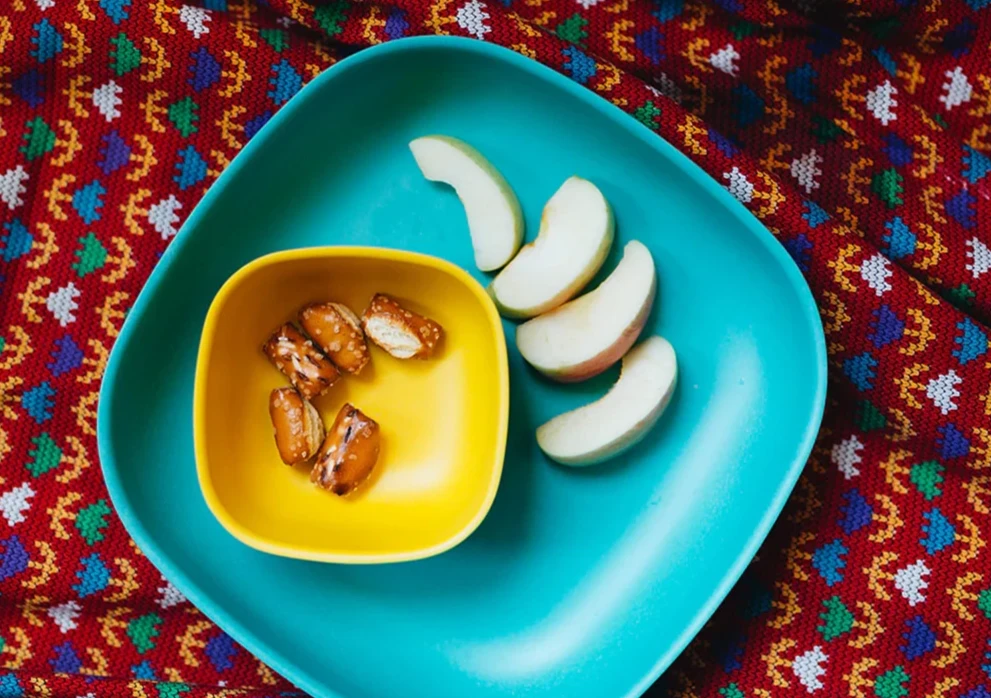
I came across Ekobo while searching for clean, durable, and attractive plates for my kids. Ekobo’s bamboo plates are made from an eco-composite that doesn’t rely on a surface varnish or coating, so there’s nothing to chip, peel, or flake over time. Importantly, they’re made to meet global food-safety standards (FDA & REACH) and are free of BPA/BPS, PVC, phthalates, and heavy metals. They’re safe for hot and cold foods and dishwasher-safe (just don’t put them in the microwave). From a sustainability perspective, Ekobo goes beyond just using bamboo (one of the most renewable resources out there): they use bamboo collected as sawdust waste from select bamboo chopstick factories. On top of all of this, the kids plates are well-designed with high rims for easier scooping (or you can opt for the larger, typical plates - I have a mix), and the color range works in just about any kitchen or breakfast room (I have a mix of the bright colors and love how happy my table feels). They also don’t look “baby-ish,” so they really have staying power. If you’re still using plastic or melamine kid plates, this is an easy swap. Why shouldn't you use melamine plates? Melamine can release chemicals (melamine and formaldehyde) into food when it’s exposed to high heat or very hot/acidic foods, and once it’s scratched or worn, that risk increases. I'm assuming we're all on the same page about plastic. If not, use the contact form to reach out and I will completely and irreversibly disrupt your life, but it will be so worth it.
Why You Need To Wear Tinted Mineral Sunscreen
Clean Choice

Why You Need To Wear Tinted Mineral Sunscreen

For the sake of both your skin’s health and your systemic health, you need to wear both tinted and mineral sunscreen. Here’s the run-down and all of my favorite products.

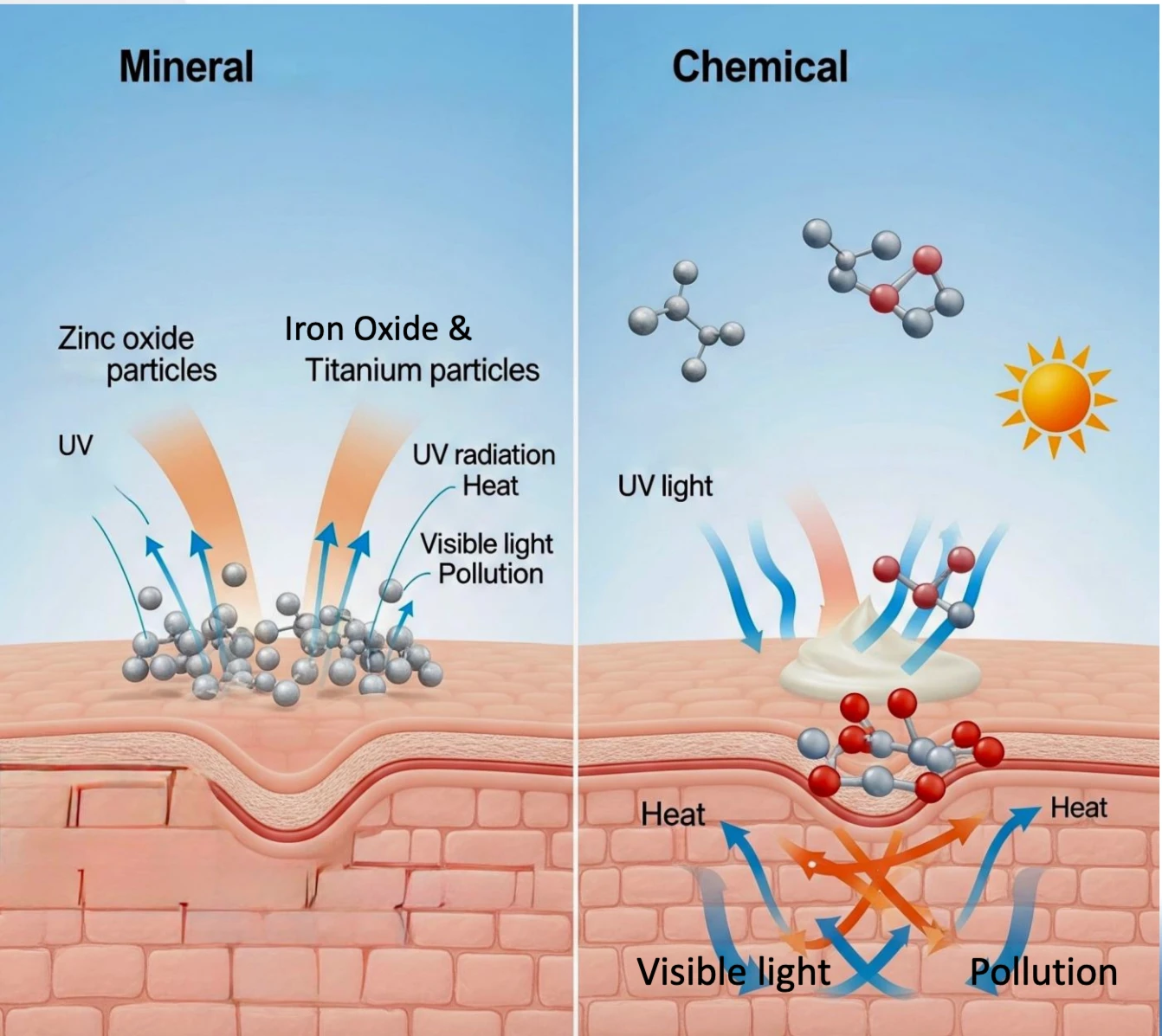
This past summer, I went to a Women + Wellness presentation on skin health by Dr. Shadi Kourosh, and it fully cemented my commitment to proper sun care. Not all of the information was especially new to me, but she framed it so compellingly that I can no longer choose clean white shirt necklines (or hat bands) over protecting my skin. Here’s my big takeaway: SPF mostly measures UVB (the burn rays), and while “broad spectrum” covers UVA too, it doesn’t measure or guarantee protection against visible light. Dr. Kourosh points out that visible light is ~50% of solar radiation—and it penetrates deep, drives free-radical damage, and can leave longer-lasting pigmentation (especially for skin types III+). Essentially, mineral + tinted sunscreen is the ultimate “atomic habit” for your skin: daily insurance for your DNA, because most sun damage comes from regular, non-dramatic exposure you don’t even notice in the moment. Mineral filters (zinc/titanium) help reflect/scatter/block UVA/UVB and offer broader environmental protection against things like visible light/heat/pollution. And tint matters because the color comes from iron oxides, which help block/absorb visible light (especially high-energy blue light) in a way that non-tinted mineral sunscreen often doesn’t do as well. That’s why tinted sunscreen is such a game-changer for dark spots and melasma: visible light can trigger melanocytes (pigment cells), so hyperpigmentation can worsen even when you’re “being good” about sunscreen. You can find Dr. Karoush's slideshow from the presentation I saw here in case like to dig deeper. Here are some of my favorite sunscreens: Good Weather Skin: The Dream Team Set MD Solar Sciences (my children call this cashmere sunscreen as it is so soft): For body (no tint): Mineral Crème SPF 50 For face: Mineral Tinted Crème SPF 30 SkinCeuticals: Physical Fusion UV Defense SPF 50 Kopari: Pure Protect Mineral Sunscreen Stick SPF 50+ I love to keep this in my bag for easy and consistent re-application
The Best Toilet Paper
Clean Choice

The Best Toilet Paper

I've tested almost all of the 'clean' toilet papers, this is by far the best.

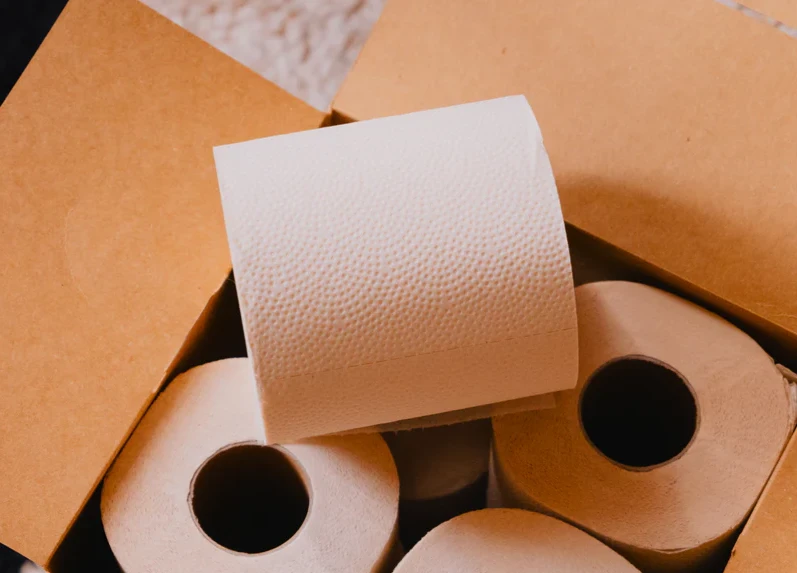
I’ve been hunting for a healthy, environmentally responsible toilet paper that actually works for a while now, and I’ve tried almost all of them. I finally found the winner while staying at Miraval Berkshires. PlantPaper is incredibly soft, thick (without being a risk to septic systems), made with FSC-certified bamboo, and completely free of bleach, PFAs, and formaldehyde. A bit more on this: For a long time, most toilet paper was made with chlorinated bleach. When that mixes with wood pulp, it creates dioxins— toxic pollutants that stick around forever. The industry tried to pivot to a method called "Elemental Chlorine Free" (ECF), which sounds better, but studies show it still creates those toxins. The main issue is that the skin you’re wiping isn't like the skin on your arm. It includes mucous membranes, which are highly absorbent. That means chemicals don’t just sit on the surface; they can actually get into your bloodstream. 1. Dioxins (The Bleach Byproduct) Dioxins are "bio-accumulative” meaning once they get into your body, they don't leave. They build up in your body over time and act as endocrine disruptors, confusing your hormones and messing with your reproductive health. 2. PFAS (The "Forever Chemicals") Short for per- and polyfluoroalkyl substances, these are the same chemicals found in non-stick pans, waterproof clothing, food packaging (pizza boxes, popcorn bags, etc.), cosmetics and more. In toilet paper, they often show up in recycled fibers. Like dioxins, they don’t break down. They accumulate in your liver and kidneys. Studies link high PFAS exposure to metabolic issues, immune system suppression, and kidney/testicular cancers. 3. Formaldehyde This is a known carcinogen, but on a daily level, it’s a massive irritant. Because it is designed to preserve dead tissue, it causes micro-irritations on living skin. If you’ve ever felt itchy or sensitive for no reason, this chemical is often the hidden culprit. For me, having beige toilet paper is worth it considering what it takes to make the other stuff white.
Clean, Face-Grade Care for Your Body
Clean Choice

Clean, Face-Grade Care for Your Body

Don’t Stop at the Neck! What we put on our body matters just as much as what we put on our face, especially when it comes to toxins. Here is my favorite body wash, body-retinol and lotions and why you need them.

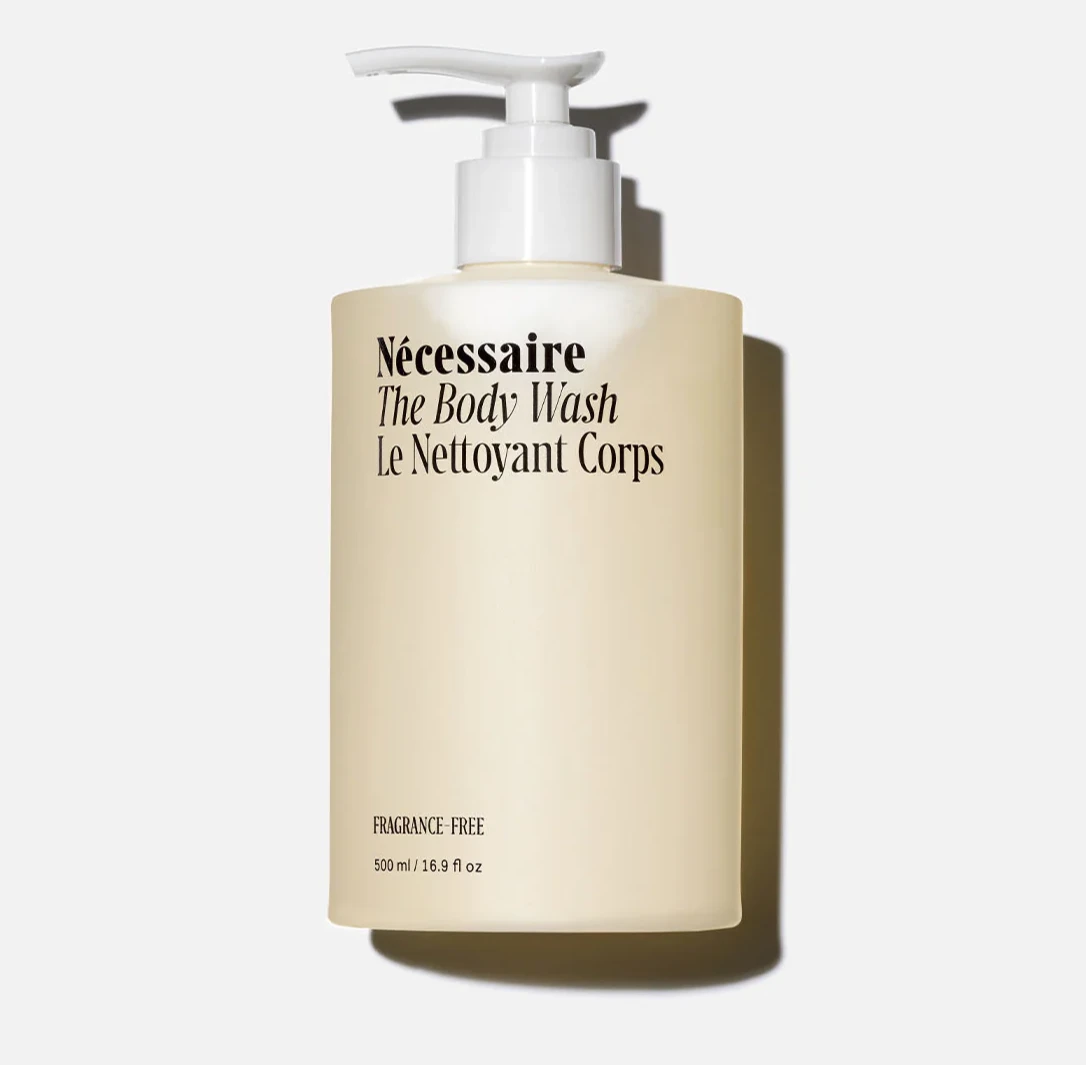
From our 30s on, body skin starts to behave a lot more like face skin: collagen and elastin naturally decline, cell turnover slows, and the barrier can get drier, thinner, and more reactive, so whatever you put on every day matters more. Using face-grade, 'clean' body care means choosing formulas made to support that barrier and aging process with proven hydrators and skin-identical lipids, while avoiding common irritants and unnecessary extras like added fragrance (a top trigger for sensitivity), harsh surfactants like SLS that can strip the skin, and harmful preservative/plasticizer ingredients (parabens and phthalates), especially when products are applied over large areas day after day. Fragrance is consistently cited as a leading trigger of cosmetic allergic contact dermatitis. Phthalates (often in fragranced products) are also widely treated as a category of endocrine/reproductive 'ingredients of concern' in the scientific literature. Detergents like SLS are well-studied for disrupting barrier function and reducing hydration, which can amplify sensitivity and dryness over time. Your skin is designed to be a barrier, but it’s not a wall. The outer layer (the stratum corneum) slows penetration but some ingredients can still pass through, especially when they’re small, oil-loving molecules, when skin is warm and hydrated (think: right after a shower), when product sits on skin for hours, or when skin is compromised (dry, inflamed, freshly shaved, eczema-prone). Absorption becomes more relevant simply because of scale and cumulative dose: body products often go over a huge surface area, sometimes daily. As with any of this stuff, the goal isn’t perfection; it’s reducing your cumulative exposure to things that can inflame, dry, or sensitize skin over time, so your body stays smoother, calmer, and more resilient as it changes. Here are my top product picks: Nécessaire, The Body Wash | Barrier Complex, Fragrance Free Nécessaire, The Body Retinol | 0.1% Retinol Osea, Undaria Algae™ Body Butter Biossance, Squalane + Caffeine Toning Body Cream Nécessaire, The Body Lotion 200 ml | Multi-Peptide (this is not as rich as the two lotions above, but if you don't need super rich it's an easier daily application)

A note on my Live Clean recommendations

None of the products featured on this page or anywhere on Found Fish are paid promotions. Every item recommended on Live Clean has been personally used, thoroughly researched, and honestly reviewed. My recommendations are always based on quality, value, and alignment with conscious living principles—never on compensation.